

What are the top physiotherapy exercises for lower back pain? Lower back pain is a common issue that affects millions of people worldwide. Whether it’s caused by poor posture, muscle strain, or a sedentary lifestyle, the discomfort can range from mild to debilitating.
One of the most effective ways to manage and alleviate lower back pain is through physiotherapy exercises.
These exercises help strengthen the muscles that support the spine, improve flexibility, and reduce pain.
In this blog post, we’ll explore a variety of physiotherapy exercises that can help relieve lower back pain, as well as tips for incorporating them into your daily routine for long-term relief.
What is Physiotherapy for Back Pain?
Physiotherapy for back pain is a specialized treatment approach that uses physical techniques to manage, relieve, and prevent back pain.
It focuses on addressing the underlying causes of pain and improving the function of the spine and surrounding muscles.
Physiotherapists use a combination of exercises, manual therapy, posture education, and other modalities to help individuals recover from or manage back pain.
Here are the main components of physiotherapy for back pain:
1- Exercise Therapy
Physiotherapists design personalized exercise programs to strengthen the muscles supporting the spine, improve flexibility, and increase mobility.
These exercises can include stretches, strengthening routines, and movements that target the core and lower back.
2- Manual Therapy
This includes hands-on techniques like spinal manipulation, joint mobilizations, and soft tissue massage to reduce pain, improve range of motion, and ease muscle tension.
3- Posture Education
Poor posture is a common cause of back pain. Physiotherapists teach proper posture techniques for daily activities such as sitting, standing, and lifting, which can reduce strain on the back and prevent further injury.
4- Heat/Cold Therapy
Applying heat or ice to the affected area can help reduce inflammation, relieve pain, and promote healing.
5- Electrotherapy
Techniques such as TENS (transcutaneous electrical nerve stimulation) can be used to help manage pain and reduce muscle spasms.
6- Ergonomic Advice
Physiotherapists often provide recommendations for improving your work environment, sleeping positions, or any other aspects of your daily routine that may contribute to back pain.
Read more: Understanding and Managing Fatigue During Ramadan
5 Top Physiotherapy Exercises for Lower Back Pain
Here are 5 top physiotherapy exercises that can help alleviate lower back pain by strengthening muscles, improving flexibility, and promoting overall spine health:
1. Pelvic Tilts

Pelvic tilts are great for strengthening the muscles in your lower back and abdomen, helping to improve posture and reduce pain.
How to do pelvic tilt exercise:
- Lie on your back with your knees bent and feet flat on the floor.
- Tighten your abdominal muscles and push your lower back into the floor.
- Tilt your pelvis upward, then slowly return to the starting position.
- Perform 10-15 repetitions, aiming for 2-3 sets.
Benefits of pelvic tilt exercise for back pain: Strengthens the lower back and abdominal muscles, improving posture and reducing strain on the spine.
2. Cat-Cow Stretch (Spinal Flexion and Extension)

This exercise promotes mobility in the spine, improving flexibility and reducing stiffness in the lower back.
How to do the cat-cow stretch:
- Start on all fours with your hands under your shoulders and knees under your hips.
- Inhale, arch your back (tilting your pelvis upwards), and look upward (the “cow” position).
- Exhale, round your back (tucking your pelvis and chin), and bring your head down (the “cat” position).
- Alternate between the two positions for 30 seconds to 1 minute.
Benefits: Increases spinal flexibility, reduces stiffness, and helps relieve tension in the back.
3. Bridges

The bridge exercise helps strengthen your glutes, hamstrings, and lower back muscles, all of which play a crucial role in supporting the spine.
How to do bridges for back pain:
- Lie on your back with your knees bent and feet flat on the floor.
- Tighten your core and squeeze your glutes to lift your hips off the floor, creating a straight line from your knees to your shoulders.
- Hold for a few seconds at the top, then slowly lower back down.
- Perform 10-15 repetitions, aiming for 2-3 sets.
Benefits: Strengthens the glutes, lower back, and core muscles, which improves overall lower back support and stability.
4. Knee-to-Chest Stretch
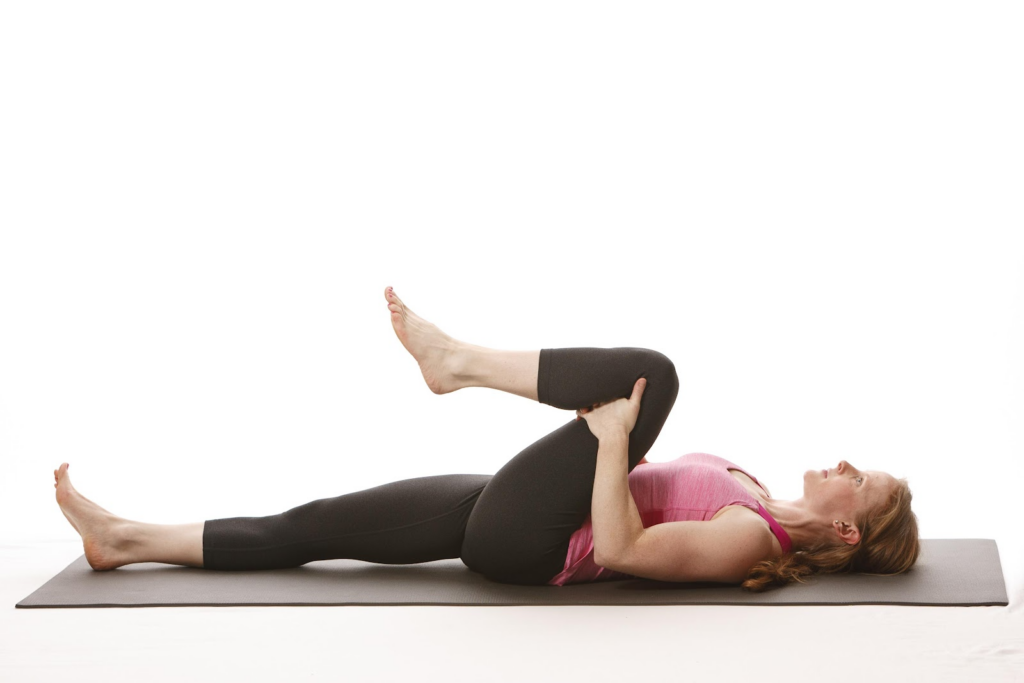
This stretch targets the lower back and can help alleviate tension and discomfort by lengthening the muscles in the lower back.
How to do knee-to-chest stretch:
- Lie on your back with your knees bent and feet flat on the floor.
- Bring one knee up toward your chest, holding it with both hands.
- Hold the stretch for 20-30 seconds, then switch to the other leg.
- Repeat 2-3 times for each leg.
Benefits: Relieves tension in the lower back, stretches the hip flexors, and improves flexibility.
5. Bird-Dog
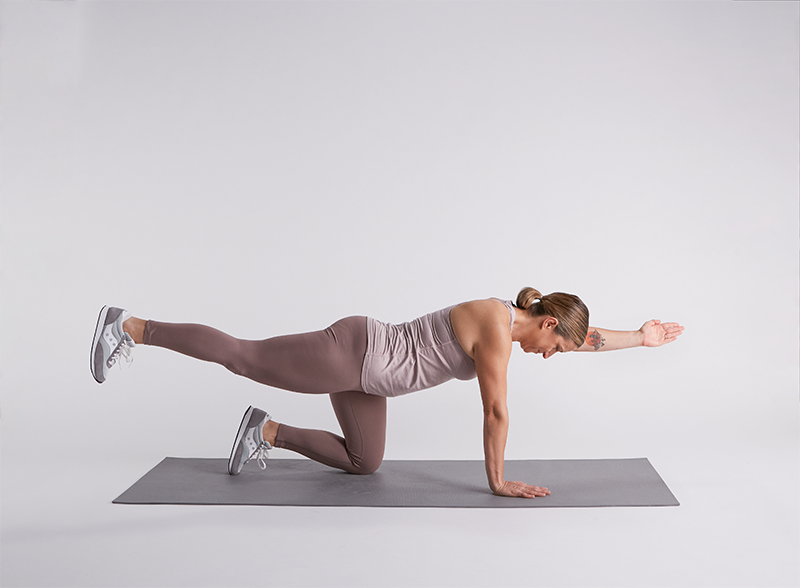
The bird-dog exercise helps improve balance and stability while strengthening the core, lower back, and glutes.
How to do bird-dog exercise for back pain:
- Start on all fours with your hands under your shoulders and knees under your hips.
- Slowly extend your right arm forward and left leg backward, keeping your body in a straight line.
- Hold for a few seconds, then return to the starting position and switch sides.
- Perform 10-12 repetitions on each side.
Benefits: Strengthens the core, improves balance, and promotes spinal stability, which is key for preventing lower back pain.
For more information: Botox– Weighing the Benefits and Risks
Benefits of Physiotherapy Exercises for Lower Back Pain
Physiotherapy exercises for lower back pain offer numerous benefits, including:
1- Pain Relief
– Strengthens muscles to support the spine.
– Reduces muscle stiffness and tension.
– Enhances blood circulation to promote healing.
2- Improved Flexibility & Mobility
– Increases range of motion in the lower back.
– Reduces stiffness in surrounding muscles and joints.
3- Stronger Core & Back Muscles
– Strengthens the core muscles that support the spine.
– Reduces the risk of future injuries and pain recurrence.
4- Better Posture
– Helps correct posture imbalances that may contribute to back pain.
– Reduces strain on the lower back while sitting, standing, or moving.
5- Reduced Dependency on Medications
– Provides a natural pain relief alternative to painkillers.
– Lowers the risk of side effects associated with medication use.
Learn more: Depression and Anxiety– Risk Factors, Signs, and Symptom
Why Choose Hakeem Care for Physiotherapy?
Hakeem Care offers specialized physiotherapy services designed to help patients recover from injuries, manage chronic pain, and improve overall mobility.
Whether you’re dealing with lower back pain, muscle stiffness, joint issues, or post-surgical rehabilitation, Hakeem Care provides flexible physiotherapy options to meet your specific needs.
Available Physiotherapy Packages:
- Single Session – 253 SAR: Ideal for individuals looking for a one-time consultation or minor pain relief.
- 3-Session Package – 805 SAR: A structured plan to target specific issues and begin a guided recovery process.
- 6-Session Package – 1,484 SAR: Recommended for ongoing physiotherapy treatment and progressive improvement.
- 12-Session Package – 3,795 SAR: A comprehensive plan designed for long-term recovery, chronic pain management, or post-surgical rehabilitation.
Incorporating these five top physiotherapy exercises for lower back pain into your routine can help relieve discomfort, improve flexibility, and strengthen your core for better spinal support.
However, consistency is key—regular practice, combined with proper posture and movement habits, can make a significant difference in managing and preventing pain.
If your lower back pain persists or worsens, it’s essential to seek expert medical advice.
Visit Hakeem Care today for professional guidance and personalized physiotherapy recommendations to support your recovery.
