
“Doctor, I’ve never had diabetes, but everyone keeps talking about metformin for weight loss. Should I try it?”
It’s one of the questions I hear more often than you might think. Sometimes it comes from someone who has struggled with stubborn weight for years.
Sometimes it’s a woman recently diagnosed with PCOS, hoping that this medication might finally make losing weight feel a little less impossible.
And sometimes it’s someone who has spent hours scrolling through TikTok, Reddit, or online forums, wondering whether they’re missing out on a “secret” weight-loss medication.
I understand why so many people are curious.
When losing weight feels like an uphill battle, it’s natural to wonder whether a medication could make the journey easier.
But here’s something I always tell my patients before we even start talking about prescriptions:
There is no medication that replaces understanding your own body.
Metformin can be incredibly helpful for some people. For others, it may offer only modest benefits. And in some cases, it may not be the right choice at all.
Let’s talk honestly about what metformin can—and cannot—do.
Table of Contents
Can Metformin Really Help You Lose Weight?
The short answer is yes—but probably not in the way many people expect.
One of the biggest misconceptions I see is that people think metformin is a “fat-burning pill.”
It isn’t.
Metformin wasn’t originally developed as a weight-loss medication. It’s primarily prescribed to help people with type 2 diabetes manage their blood sugar levels.
Over time, doctors noticed something interesting: many patients taking metformin also experienced gradual weight loss.
That observation led researchers to study it further.
Today, we know that metformin for weight loss can be effective for certain people, especially those with insulin resistance, prediabetes, or PCOS (polycystic ovary syndrome).
However, the weight loss is usually gradual rather than dramatic. If you’re hoping to lose 20 pounds in a few weeks, metformin is likely to disappoint you.
If you’re looking for a medication that supports healthier metabolism alongside lifestyle changes, the conversation becomes very different.
Read more: 5 Top Physiotherapy Exercises for Lower Back Pain
How Does Metformin Help With Weight Loss?
One thing I love explaining to patients is that medications often work in ways people don’t expect.
Many imagine metformin somehow “melts fat.” That’s not what happens. Instead, metformin works behind the scenes by improving how your body responds to insulin.
When insulin resistance improves, many people notice changes that make weight management easier, such as:
- Feeling full sooner during meals.
- Having fewer cravings for sugary foods.
- More stable blood sugar levels.
- Reduced hunger between meals.
- Improved metabolic health over time.
For women with PCOS, these effects can be especially meaningful because insulin resistance often plays a major role in weight gain.
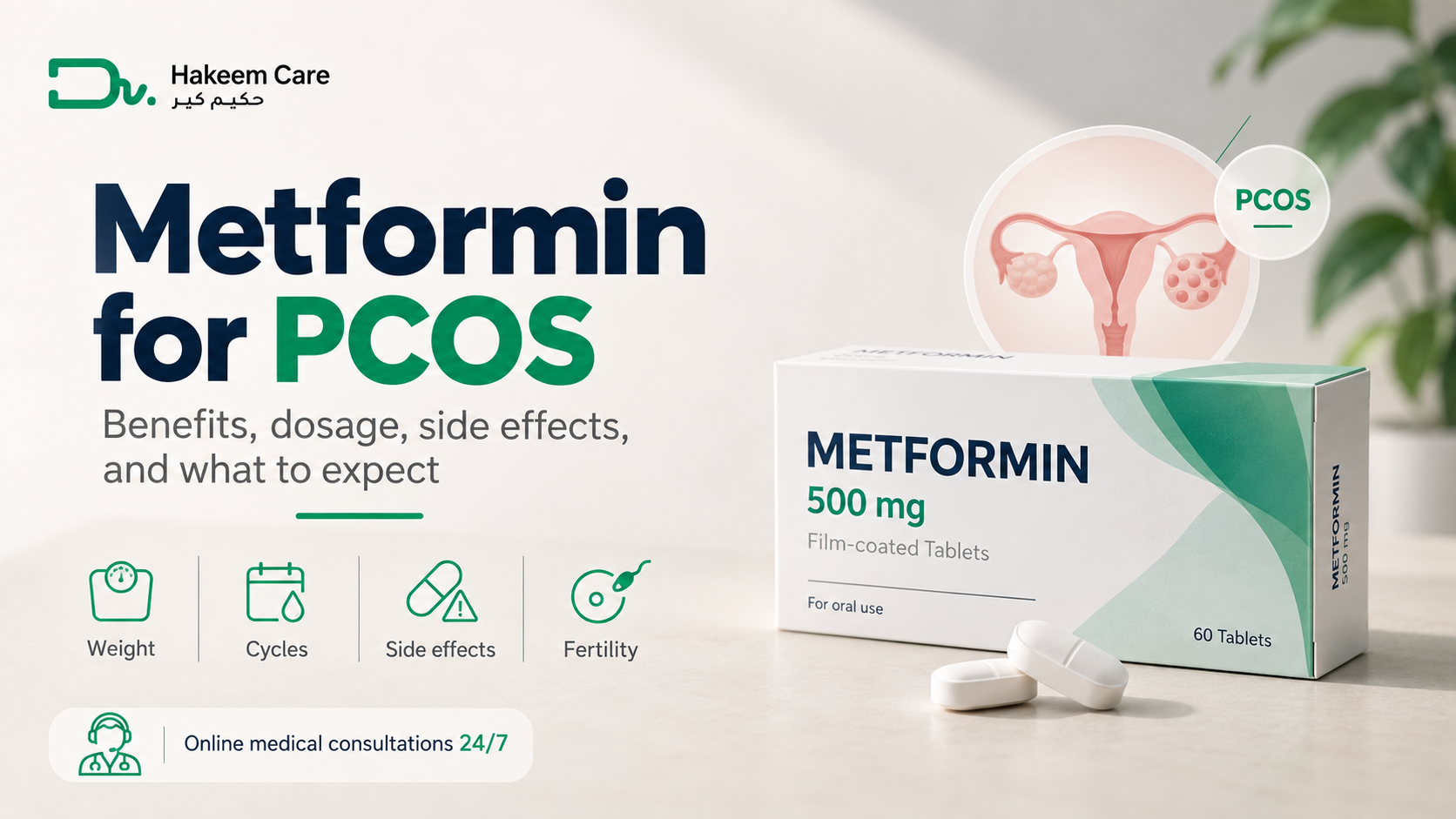
That’s why metformin for weight loss PCOS has become one of the most common reasons physicians prescribe the medication outside of diabetes treatment.
Still, it’s important to remember that metformin supports healthy weight management—it doesn’t replace balanced nutrition or physical activity.
Can Metformin Help a Non-Diabetic Lose Weight?
This is probably the question that surprises patients the most. Can metformin help a non-diabetic lose weight?
Sometimes, yes.
But that doesn’t mean everyone without diabetes should take it.
There are situations where physicians prescribe metformin for weight loss in non diabetics, particularly for people with insulin resistance, prediabetes, metabolic syndrome, or PCOS.
However, if someone is otherwise healthy and simply wants to lose a few pounds before a vacation, metformin is usually not the first option I’d recommend.
One conversation stays with me.
A patient once said, “Doctor, I just want something that makes losing weight easier because I feel like I’ve tried everything.”
What she really needed wasn’t just medication.
She needed someone to understand why previous attempts hadn’t worked, identify the underlying causes, and build a plan that fit her life—not someone to hand her a prescription and send her home.
That’s an important distinction.
Medication should solve a medical problem—not replace healthy habits.
learn more on Botox Aftercare: Essential Tips for Long-Lasting Results in 2025
Can I Take Metformin Just to Lose Weight?
Technically, some physicians prescribe metformin specifically to support weight loss in selected patients.
But should everyone take it simply because they want to lose weight? Not necessarily.
Before recommending any medication, I usually ask questions like:
- Are you insulin resistant?
- Do you have PCOS?
- Have you been diagnosed with prediabetes?
- Have lifestyle interventions been unsuccessful despite consistent effort?
- Could another medical condition be contributing to weight gain?
Those answers matter far more than the number on the scale.
Starting medication without understanding why you’re struggling with weight often leads to frustration.
Sometimes the best treatment isn’t metformin at all.
Read Depression and Anxiety: Risk Factors, Signs, and Symptoms
How Much Weight Can You Lose on Metformin in a Month?
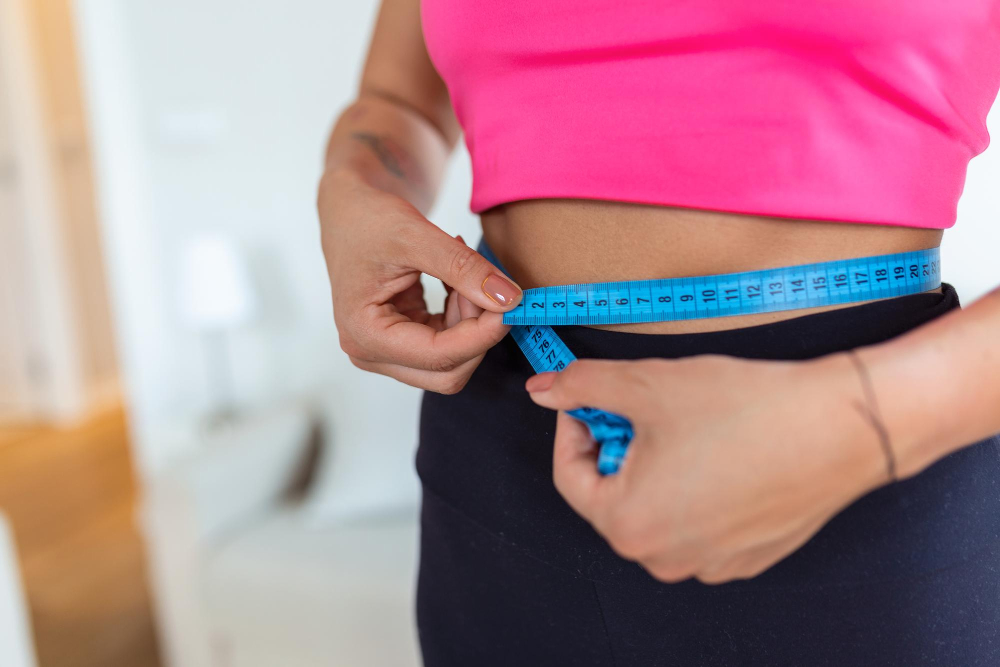
This is probably the most Googled question: How much weight can you lose on metformin in a month?
I understand why. Everyone wants a number. The reality is much less exciting—but much more honest.
Most people who respond to metformin lose weight gradually over several months rather than within a few weeks.
Some notice little or no change during the first month.
Others begin seeing small but meaningful progress after their eating habits naturally improve because they’re less hungry.
When patients ask me about 2 month metformin weight loss results, I encourage them to focus less on dramatic numbers and more on sustainable progress.
Even losing 2–5% of your body weight can improve blood sugar, blood pressure, and overall metabolic health.
And those benefits often matter far more than rapid weight loss.
Metformin 500 mg: Is It the Right Dose for Weight Loss?
One thing I’ve noticed is that many patients become fixated on the number written on the prescription.
“Doctor, my friend takes Metformin 500 mg. Should I start with the same dose?”
It’s an understandable question, but medication isn’t one-size-fits-all.
In most cases, physicians start with a lower dose—often Metformin 500 mg once daily—not because it’s the “magic” dose for weight loss, but because it allows your body to adjust gradually. This approach helps reduce digestive side effects, which are common during the first few weeks.
If needed, the dose may be increased over time based on your response, medical history, and how well you tolerate the medication.
The goal isn’t to reach the highest dose as quickly as possible.
The goal is to find the lowest effective dose that works safely for you.
Metformin Dosage for Weight Loss in Non-Diabetics
When people search for metformin dosage for weight loss in non diabetics, they’re usually hoping for a simple answer.
The truth is, there isn’t a universal dose recommended for everyone.
If metformin is prescribed for weight management in someone without diabetes, the dosage depends on several factors, including:
- Your current weight and overall health.
- Whether you have insulin resistance or prediabetes.
- If you have PCOS.
- Your kidney function.
- How your body responds after starting treatment.
This is why I always advise against copying someone else’s prescription.
Two people can have the same weight but completely different medical reasons for taking—or not taking—metformin.
How Long Does It Take for Metformin to Kick In for Weight Loss?
Patience is probably the hardest part. Many people expect to notice changes within a week. When that doesn’t happen, they assume the medication isn’t working.
But weight loss with metformin isn’t usually dramatic or immediate.
For most people, appetite changes and improvements in blood sugar regulation develop gradually. Any weight loss that follows tends to occur over weeks to months, especially when metformin is combined with healthier eating habits and regular physical activity.
If nothing changes after a few days, that doesn’t necessarily mean the medication has failed. Sometimes the first positive changes aren’t even on the scale.
You may notice you’re snacking less, feeling satisfied with smaller portions, or having fewer intense sugar cravings.
Those small changes often lay the foundation for long-term success.
Can You Lose 20 Pounds on Metformin?
I smile whenever this question comes up because I know what patients are really asking.
“Is this medication strong enough to change my life?” The answer is… it depends.
Some people do lose significant weight while taking metformin, but it’s usually because the medication is supporting broader lifestyle changes—not because it’s acting alone.
Others may lose only a few pounds. And some people may not lose weight at all.
Your results depend on many factors, including:
- Your starting weight.
- Whether insulin resistance is contributing to weight gain.
- Your eating habits.
- Physical activity.
- Sleep.
- Stress levels.
- Other medical conditions.
The number on the scale is only one measure of progress. Sometimes improving your metabolic health is an equally important victory.
Will I Lose Belly Fat on Metformin?
This is another common question. Unfortunately, no medication can choose where your body loses fat.
If you lose weight while taking metformin, your body decides where that fat comes from based on your genetics, hormones, and body composition.
Some people notice changes around the abdomen.
Others lose fat from different areas first.
Instead of chasing belly fat specifically, I encourage patients to focus on improving overall health.
A healthier body almost always matters more than targeting one specific area.
Metformin for Weight Loss Side Effects
Every medication has potential side effects, and metformin is no exception. The good news is that many of the common side effects improve as your body adapts.
The ones I discuss most often with patients include:
- Nausea.
- Stomach discomfort.
- Diarrhea.
- Bloating.
- A metallic taste in the mouth.
- Reduced appetite.
These symptoms can be frustrating, especially during the first couple of weeks. That’s one reason physicians usually increase the dose gradually rather than starting with a high dose immediately.
For people taking metformin long term, we may also monitor vitamin B12 levels, as prolonged use can contribute to deficiency in some individuals.
If you experience severe vomiting, persistent diarrhea, dehydration, or symptoms that concern you, it’s important to contact your healthcare provider rather than simply stopping the medication on your own.
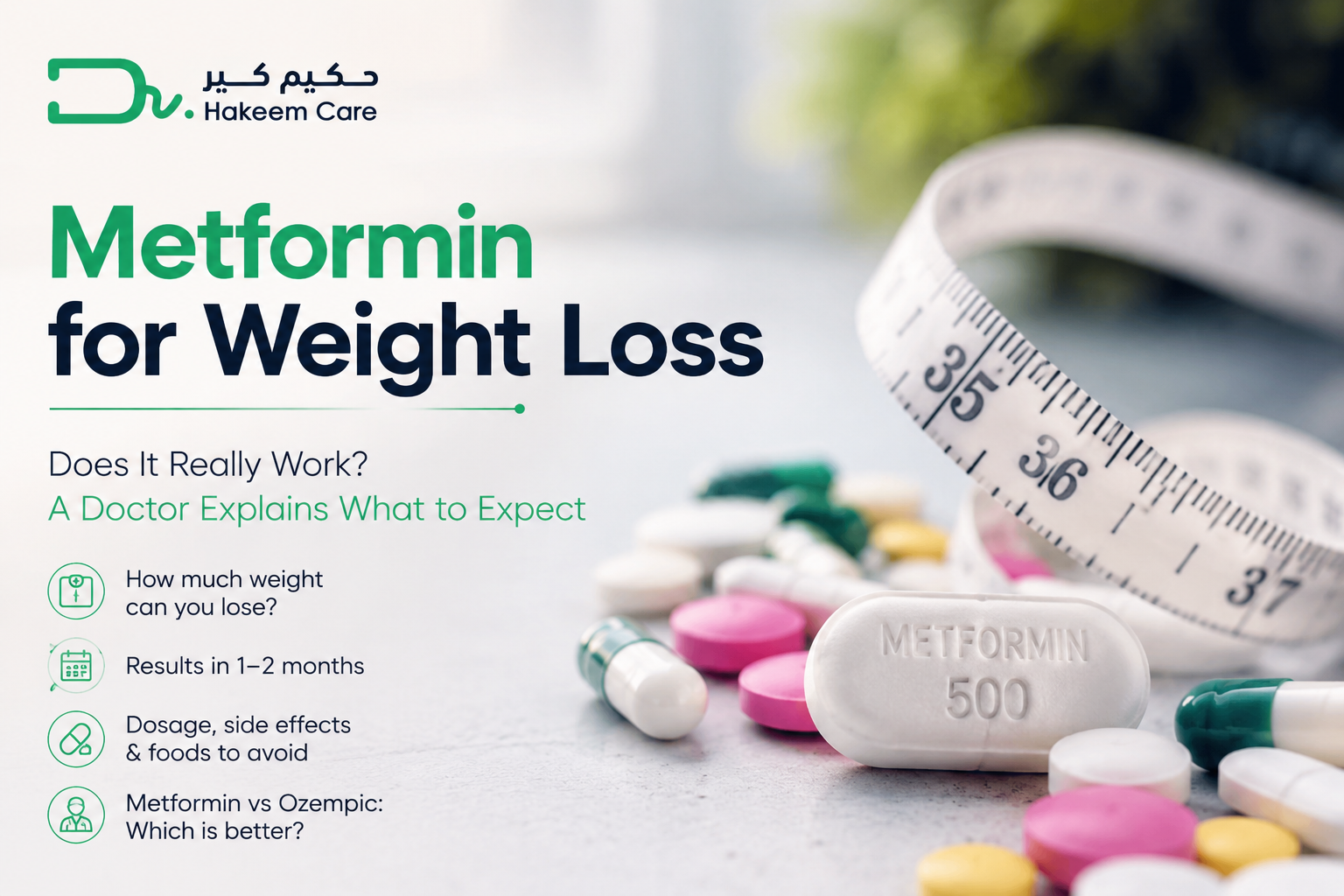
Which Is Better, Metformin or Ozempic?
This has become one of the most frequently asked questions in recent years. The truth is, it’s a bit like asking whether running shoes are better than hiking boots.
They’re designed for different situations.
Metformin has been used safely for decades and remains a first-line treatment for type 2 diabetes. It’s also prescribed for conditions like insulin resistance and PCOS, and it may support modest weight loss in appropriate patients.
Ozempic, on the other hand, belongs to a newer class of medications that generally produces greater weight loss but is also associated with different costs, benefits, and potential side effects.
Neither medication is “better” for everyone.
The right choice depends on your medical history, weight-loss goals, underlying health conditions, and a discussion with your physician.
If there’s one mistake I’d encourage people to avoid, it’s choosing a medication based solely on social media trends.
The best treatment is the one that’s appropriate for you, not the one that’s most talked about online.
What Foods Should I Avoid While Taking Metformin?
Patients often expect a long list of forbidden foods.
Instead, I prefer to think about foods that make the medication work with your body rather than against it.
While taking metformin, it’s generally helpful to:
- Limit sugary drinks and desserts.
- Reduce highly processed carbohydrates.
- Avoid excessive alcohol unless your doctor says it’s safe.
- Choose meals rich in protein, vegetables, whole grains, and healthy fats.
- Stay well hydrated.
You don’t need a perfect diet.
You need one that you can realistically maintain.
I’ve seen patients succeed with simple, consistent habits far more often than with strict diets that last only two weeks.
Frequently Asked Questions about Metformin for Weight Loss
Can metformin help a non-diabetic lose weight?
Yes, in selected cases. Physicians may prescribe metformin for non-diabetic individuals with insulin resistance, prediabetes, metabolic syndrome, or PCOS. However, it isn’t appropriate for everyone seeking weight loss.
Is Metformin 500 mg enough for weight loss?
For many patients, Metformin 500 mg is the starting dose. Whether it’s enough depends on your individual response and your doctor’s treatment plan.
How long does metformin take to work for weight loss?
Most people don’t notice significant weight changes immediately. Weight loss typically develops gradually over several weeks or months alongside healthy lifestyle changes.
Can you lose 20 pounds on metformin?
Some people do, but many lose less. Results vary widely depending on underlying health conditions, nutrition, exercise, and how your body responds to the medication.
Is metformin a substitute for healthy eating?
No. Metformin can support weight management, but it works best when combined with balanced nutrition, regular physical activity, and sustainable lifestyle habits.
Before You Start Metformin, Have the Right Conversation
One of the biggest misconceptions about weight-loss medications is that choosing the right drug is the hardest part.
In my experience, it isn’t.
The hardest—and most important—part is understanding why you’re struggling with weight in the first place.
Is it insulin resistance?
PCOS?
Prediabetes?
A hormonal imbalance?
Or is there another medical condition that hasn’t been identified yet?
At Hakeem Care, our physicians take the time to understand the whole picture before recommending treatment.
Through secure online consultations available 24/7, including weekends and public holidays, you can discuss your symptoms, review your medical history, and receive personalized advice on whether metformin—or another approach—is right for you.
Because successful weight management isn’t about finding the newest medication.
It’s about finding the right treatment for your body.