
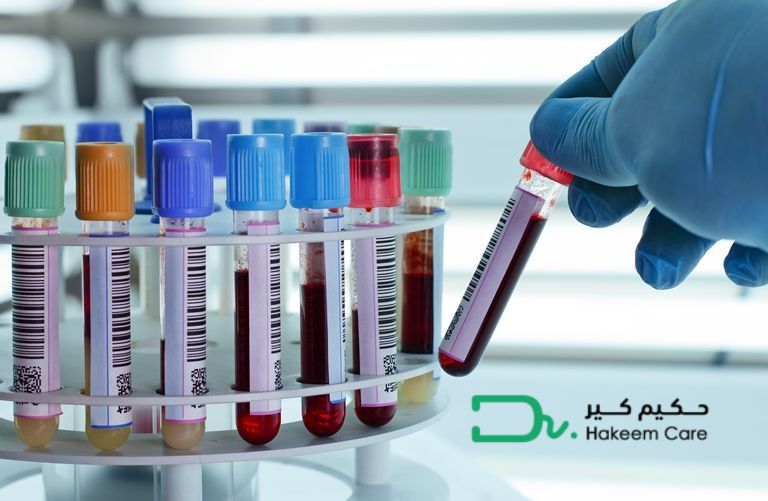
Blood tests are among the most frequently requested diagnostic tools in modern medicine because they provide valuable insights into nearly every system in the body.
From detecting infections and monitoring chronic conditions to evaluating organ function and identifying nutritional deficiencies, a single blood sample can help answer many important clinical questions.
Understanding How to Prepare for Blood Tests is just as important as the test itself, because even small factors such as eating, drinking, exercising, or taking certain medications can influence the results and affect the decisions your doctor makes.
One of the conversations I have most often with patients begins after they receive unexpected laboratory results.
I remember a patient who arrived worried after being told that some of his cholesterol values were higher than expected.
During our discussion, we discovered he had eaten a large meal only a few hours before his appointment because he wasn’t aware that fasting had been recommended.
After repeating the test with the proper preparation, the results accurately reflected his health status and allowed us to create the right treatment plan. Experiences like these remind me why How to Prepare for Blood Tests is not simply a list of instructions, it is an essential part of obtaining reliable medical information.
Preparing correctly before laboratory testing helps reduce the risk of inaccurate or misleading results, minimizes the need for repeat testing, and allows healthcare providers to make more confident diagnoses and treatment decisions.
Whether you are having a routine health check, monitoring diabetes or cholesterol, or investigating new symptoms, knowing How to Prepare for Blood Tests can make a meaningful difference in the quality of your care.
Throughout this guide, I’ll explain exactly what you should do before your appointment, which tests require special preparation, and how trusted laboratory services such as Hakeem Labs help ensure accurate testing and dependable results that support the best possible medical decisions.
Why Preparing for Blood Tests Matters
Many patients assume that preparing for a blood test is simply a formality, but in reality, it is one of the most important steps in ensuring reliable laboratory results.
How to Prepare for Blood Tests directly influences the accuracy of many laboratory measurements, which means that proper preparation can help your healthcare provider make informed medical decisions while avoiding unnecessary confusion or additional testing.
Ensures accurate laboratory results:
Following the preparation instructions provided by your doctor or laboratory helps ensure that your blood sample reflects your body’s true condition.
Whether the test measures blood sugar, cholesterol, hormones, or other important markers, proper preparation minimizes external influences that could affect the results.
Reduces the need for repeat testing:
One of the most frustrating situations for patients is being asked to repeat a blood test because the original sample was affected by eating, drinking, or another avoidable factor.
Understanding How to Prepare for Blood Tests helps reduce the likelihood of repeat appointments, saving both time and reducing unnecessary stress.
Helps doctors make correct diagnoses:
Physicians rely heavily on laboratory data when diagnosing diseases and monitoring treatment.
Even small changes in certain blood values can influence clinical decisions, making accurate preparation essential for selecting the most appropriate treatment plan and avoiding unnecessary investigations.
Prevents misleading results caused by food, medications, or lifestyle factors:
Meals, alcohol, caffeine, smoking, vigorous exercise, and even some medications or dietary supplements may temporarily change specific blood test values. Informing your healthcare provider about everything you are taking and carefully following pre-test instructions helps prevent results that do not accurately represent your health.
Throughout my practice, I have seen how proper preparation changes the entire clinical picture. I remember a patient whose blood glucose results appeared unexpectedly elevated during a routine checkup.
After reviewing his history, we realized he had consumed a sugary energy drink shortly before his appointment because he thought only food mattered.
Once we repeated the test under the correct conditions, the results were completely different and spared him unnecessary anxiety and additional investigations.
Experiences like this reinforce why How to Prepare for Blood Tests should never be overlooked.
When you prepare properly before visiting Hakeem Labs, you are doing more than following instructions, you are helping your healthcare team obtain accurate, reliable results that support faster diagnoses, more effective treatment plans, and better long-term health outcomes.
Know more about Physiotherapy Exercises for Lower Back Pain
Different Types of Blood Tests
Before learning How to Prepare for Blood Tests, it is helpful to understand that not all blood tests serve the same purpose.
Some tests require fasting, while others can be performed at any time of the day. Knowing why your doctor has ordered a specific test will help you follow the correct preparation instructions and ensure the most accurate results.
Complete Blood Count (CBC):
A CBC is one of the most commonly requested blood tests.
It measures red blood cells, white blood cells, hemoglobin, hematocrit, and platelets, helping diagnose conditions such as anemia, infections, inflammation, and certain blood disorders.
Blood glucose tests:
These tests evaluate blood sugar levels and are commonly used to diagnose or monitor diabetes and prediabetes.
Some glucose tests, such as fasting blood glucose, require fasting beforehand, while others may not.
Lipid profile (cholesterol and triglycerides):
A lipid profile measures total cholesterol, LDL (“bad” cholesterol), HDL (“good” cholesterol), and triglycerides to assess cardiovascular health and estimate the risk of heart disease.
Depending on the type of lipid test and your doctor’s recommendation, fasting may sometimes be required.
Liver and kidney function tests:
These tests assess how well your liver and kidneys are working by measuring enzymes, proteins, and waste products in the blood.
They help detect liver disease, kidney disease, medication effects, and other medical conditions.
Thyroid function tests:
Thyroid blood tests measure hormones such as TSH and free T4 to evaluate whether the thyroid gland is functioning normally.
These tests are commonly requested for patients experiencing fatigue, weight changes, hair loss, or changes in heart rate.
Vitamin and mineral tests:
Blood tests can measure important nutrients such as vitamin D, vitamin B12, iron, ferritin, calcium, and folate.
These tests help identify nutritional deficiencies that may contribute to symptoms including fatigue, weakness, hair loss, or poor concentration.
Hormone testing:
Hormone tests evaluate substances such as insulin, cortisol, testosterone, estrogen, progesterone, and reproductive hormones.
They are useful in diagnosing endocrine disorders, fertility concerns, menstrual irregularities, and metabolic conditions.
In my daily practice, I often meet patients who are surprised to learn that two people visiting the laboratory on the same day may receive completely different preparation instructions.
I remember one patient who assumed every blood test required fasting and postponed taking an important medication unnecessarily.
After reviewing the laboratory request together, we clarified which tests actually required preparation and which did not, making the experience much less stressful.
Moments like these highlight why understanding How to Prepare for Blood Tests begins with knowing exactly which tests you are having.
At Hakeem Labs, patients receive clear instructions tailored to their specific laboratory tests, helping ensure that every sample is collected under the right conditions.
Proper preparation, combined with high-quality laboratory analysis, allows your healthcare provider to interpret your results with greater confidence and recommend the most appropriate next steps for your care.
Read more about Botox Aftercare
Do You Need to Fast Before a Blood Test?
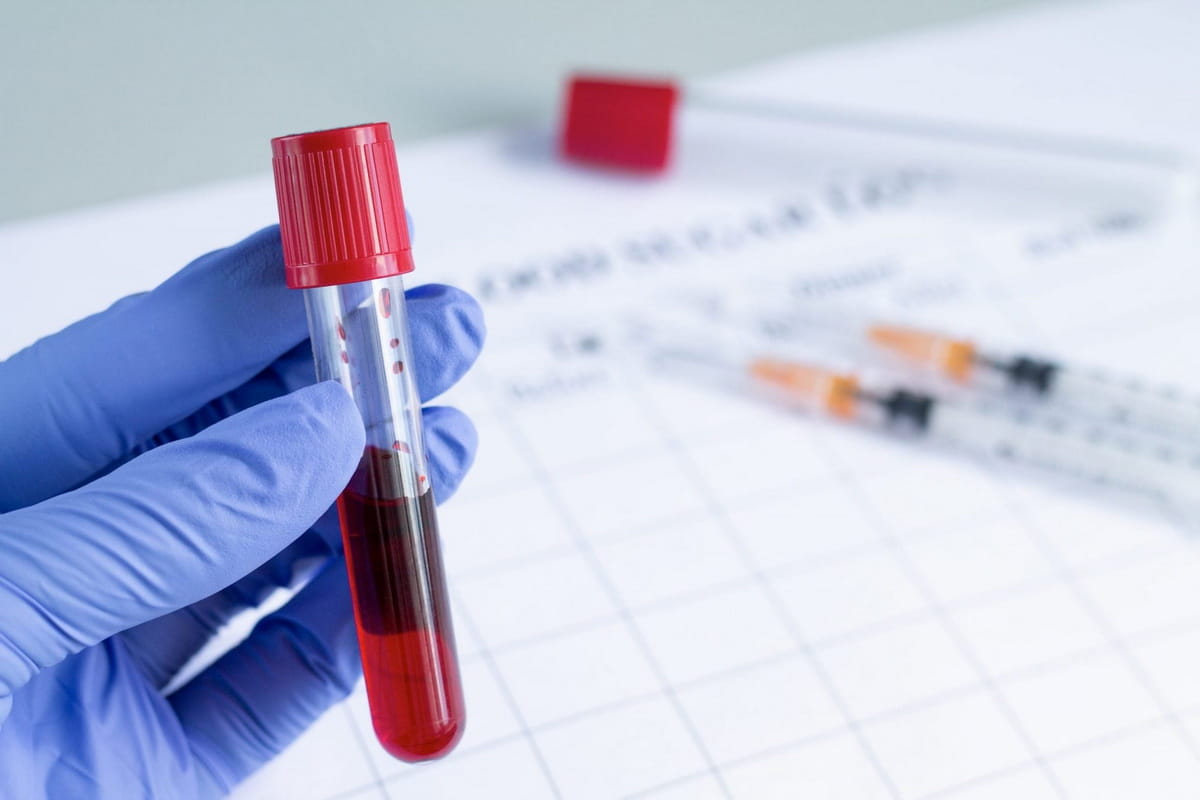
One of the most common questions I hear from patients is whether they need to avoid food before their laboratory appointment.
The answer depends on the specific test your doctor has ordered.
Understanding How to Prepare for Blood Tests includes knowing when fasting is necessary and when it is not, because eating before certain tests can temporarily change blood values and lead to inaccurate or misleading results.
Which blood tests require fasting?
Some laboratory tests are more accurate when performed after fasting. These commonly include fasting blood glucose tests, certain lipid profile tests (especially triglycerides), and a few specialized metabolic or endocrine tests.
Your healthcare provider or laboratory will tell you if fasting is required for your specific test.
Typical fasting duration (8–12 hours):
When fasting is recommended, patients are usually asked to avoid food for 8 to 12 hours before the blood sample is collected.
The exact duration depends on the test being performed, so it is important to follow the instructions provided rather than making assumptions.
What can you drink during fasting?
In most cases, plain water is allowed and even encouraged during the fasting period. Staying hydrated can make blood collection easier by helping your veins remain more visible.
However, beverages such as coffee, tea, juice, soft drinks, milk, and energy drinks should generally be avoided unless your healthcare provider specifically tells you otherwise.
Tests that usually do not require fasting:
Many routine blood tests, including a Complete Blood Count (CBC), most thyroid function tests, many vitamin tests, and numerous liver and kidney function tests, can often be performed without fasting.
Nevertheless, because preparation requirements vary depending on your medical condition and the specific laboratory methods used, you should always follow the guidance provided for your appointment.
Why following instructions is important:
Even a small snack or sugary drink before a fasting test may alter important measurements such as blood glucose or triglyceride levels.
This can result in misleading findings, unnecessary concern, additional testing, or even inappropriate treatment decisions.
Carefully following preparation instructions helps ensure that your results accurately reflect your true health status.
I remember a patient who came to see me after receiving unexpectedly high triglyceride results.
She was convinced something serious was wrong, but during our discussion she mentioned having a large breakfast on the way to the laboratory because she believed fasting only applied to blood sugar tests.
After repeating the analysis under the proper conditions, her results were much closer to normal, and we avoided unnecessary investigations.
Experiences like this remind me why How to Prepare for Blood Tests is an essential part of obtaining results that both patients and doctors can trust.
If you are ever unsure whether fasting is required, do not guess.
Contact your healthcare provider or Hakeem Labs before your appointment to receive the correct preparation instructions.
A few minutes of clarification beforehand can help ensure accurate laboratory results and prevent the inconvenience of repeating your blood test.
Metformin for Weight Loss: Does It Really Work?
Can You Drink Water Before Blood Tests?
Many patients ask whether drinking water will “break” their fast before a laboratory test.
In most situations, the answer is no. In fact, understanding How to Prepare for Blood Tests includes knowing that plain water is generally recommended because it supports normal hydration without affecting most laboratory measurements.
Why water is generally encouraged:
Plain water does not usually interfere with routine blood test results and helps maintain normal blood volume.
Unless your doctor or laboratory gives you different instructions, drinking water before your appointment is typically safe and may even improve the overall testing experience.
Staying hydrated makes blood collection easier:
Good hydration helps keep your veins more visible and easier to access, making blood collection faster and more comfortable.
I often encourage patients to drink a glass or two of water before arriving, especially those who have previously experienced difficult blood draws or have veins that are hard to locate.
Drinks to avoid before testing:
While water is usually acceptable, beverages such as coffee, tea, juice, soft drinks, milk, flavored water, sports drinks, and energy drinks should generally be avoided if fasting has been recommended.
These drinks may contain sugars, caffeine, fats, proteins, or other substances that can influence certain laboratory values and reduce the accuracy of the results.
Exceptions based on specific laboratory instructions:
Some specialized blood tests require unique preparation, including temporary restrictions on water or specific timing for fluid intake.
For this reason, patients should always follow the exact instructions provided by their healthcare provider or laboratory rather than relying on general advice alone.
I remember a patient who arrived for a fasting blood test feeling dizzy because she believed she was not allowed to drink anything, not even water, for nearly 12 hours.
She had intentionally avoided drinking overnight, making her dehydrated and causing the blood draw to be more difficult than necessary.
After explaining that plain water is usually encouraged during fasting, she was relieved, and her future laboratory visits became much more comfortable. Moments like this remind me that How to Prepare for Blood Tests is often about correcting common misconceptions that many patients have.
If you are ever uncertain about what you can drink before your appointment, the team at Hakeem Labs can provide clear pre-test instructions based on your specific laboratory request.
Following the correct guidance helps ensure accurate results while making your blood collection experience as smooth and comfortable as possible.
Should You Take Your Medications Before Blood Tests?
One of the questions I hear almost every day is, “Should I take my medication before my blood test?” The answer depends on the type of medication and the laboratory test being performed.
Understanding How to Prepare for Blood Tests includes discussing all medications with your healthcare provider, as some drugs can influence test results, while others should be taken exactly as prescribed to avoid affecting your health.
Inform your healthcare provider about all medications:
Before your blood test, let your doctor know about everything you take, including prescription medications, over-the-counter medicines, herbal products, and supplements.
This information helps your healthcare provider interpret your results correctly and determine whether any temporary adjustments are necessary.
Prescription medications:
Most prescription medications should be continued unless your doctor specifically advises otherwise.
However, certain medications, such as those used to treat diabetes, thyroid disorders, or blood clotting conditions, may require special instructions depending on the timing and purpose of the blood test.
Vitamins and dietary supplements:
Many patients forget to mention vitamins, minerals, or herbal supplements because they do not consider them “medications.”
However, supplements such as biotin (vitamin B7), iron, and certain herbal products can interfere with some laboratory tests, making it important to inform your healthcare provider about everything you are taking.
When medications may need temporary adjustment:
In some situations, your doctor may recommend changing the timing of a medication or temporarily delaying a dose until after the blood sample is collected.
These decisions are made on an individual basis to ensure the laboratory results accurately reflect your health while maintaining your safety.
Never stop medication without medical advice:
Patients should never stop taking prescribed medications on their own before laboratory testing.
Doing so may affect both their health and the interpretation of test results.
Always follow your doctor’s instructions rather than making changes based on information from friends or the internet.
I remember a patient who stopped taking his blood pressure medication for two days because he believed all medicines had to be avoided before laboratory testing.
When he arrived at the clinic, his blood pressure was significantly elevated, creating an unnecessary health risk.
After reviewing his medications together, we explained which medicines should have been continued and which, if any, required special timing.
Experiences like this reinforce why How to Prepare for Blood Tests should always involve clear communication with your healthcare team.
Ozempic vs Mounjaro: Which Is Better for Weight Loss?
Foods, Drinks, and Activities to Avoid Before Blood Tests
Many patients focus only on fasting and forget that other daily habits can also influence laboratory results.
Learning How to Prepare for Blood Tests means understanding how food choices, beverages, and physical activities before testing may temporarily affect certain blood markers.
Small adjustments before your appointment can help ensure that your results provide a more accurate picture of your health.
Fatty meals:
Eating a meal high in fats before certain blood tests, especially lipid profile tests, may increase triglyceride levels and affect the accuracy of cholesterol measurements.
For patients who are required to fast, it is important to avoid heavy or fatty foods during the fasting period and follow the instructions provided by the healthcare provider or laboratory.
Alcohol:
Alcohol consumption before blood testing may affect several laboratory values, including liver enzymes, blood sugar levels, and triglycerides.
It is generally recommended to avoid alcohol before certain tests, especially when evaluating liver function or metabolic health, unless your doctor provides different instructions.
Smoking:
Smoking before a blood test may influence some measurements, including blood pressure, oxygen-related markers, and certain metabolic parameters.
Avoiding smoking before your appointment can help reduce temporary changes that may affect the interpretation of your results.
Caffeine (when applicable):
Coffee, tea, and caffeinated beverages may affect some tests by influencing blood pressure, stress hormones, and blood glucose levels in certain situations.
If your test requires fasting, it is usually best to avoid caffeinated drinks and consume only plain water unless instructed otherwise.
Strenuous exercise before testing:
Intense physical activity before a blood test can temporarily alter certain laboratory values, including muscle enzymes, hormones, and some metabolic markers.
While regular exercise is beneficial for overall health, it is often better to avoid vigorous workouts shortly before specific blood tests unless your doctor advises otherwise.
Late-night meals before fasting tests:
Eating a large meal late at night before a fasting blood test may make it difficult to complete the required fasting period and may influence some results.
Planning your last meal at the appropriate time helps you arrive prepared and ensures that the laboratory sample accurately reflects your body’s baseline state.
What to Bring on the Day of Your Blood Test
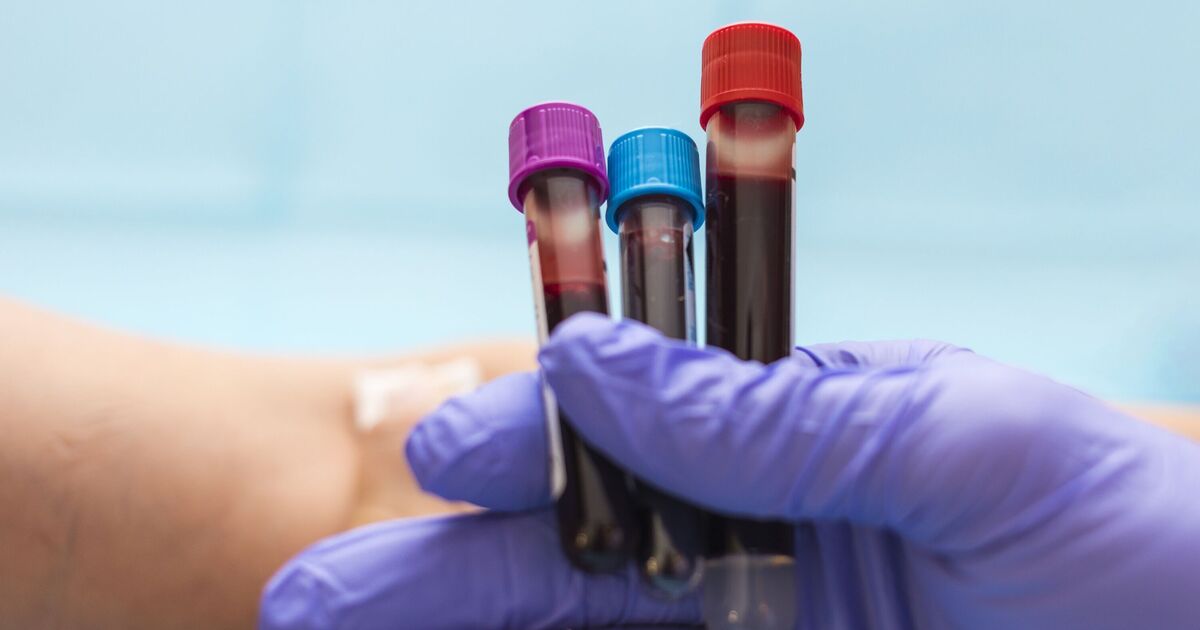
Being prepared on the day of your appointment can make the blood testing process easier, faster, and more comfortable.
While many patients focus on How to Prepare for Blood Tests by thinking only about fasting or avoiding certain foods, practical steps such as bringing the correct documents and information are equally important for a smooth laboratory visit.
Identification:
Bringing a valid form of identification helps the laboratory team confirm your personal details and ensure that your blood sample is correctly linked to your medical record.
Accurate identification is an essential safety step that prevents errors and supports reliable reporting of your results.
Laboratory request form:
The laboratory request form contains important details about the tests your doctor has ordered.
It allows the laboratory staff to perform the correct analyses and understand any specific instructions related to your blood sample.
Medication list:
A complete list of your current medications, vitamins, and supplements can help your healthcare provider interpret your results more accurately.
Some medications may influence certain blood markers, so sharing this information is an important part of How to Prepare for Blood Tests.
Insurance information (if applicable):
If your healthcare system or insurance provider requires documentation, bringing your insurance details can help complete the registration process efficiently and avoid unnecessary delays before your test.
Water and a light snack for after fasting tests:
If you have been asked to fast, bringing water and a small healthy snack for after your blood sample is collected can be helpful.
Some patients may feel slightly tired or lightheaded after prolonged fasting, and having something to eat afterward can help them feel more comfortable.
I remember a patient who arrived for a fasting blood test feeling anxious because she had forgotten her laboratory request form.
Although we were able to help her, the situation delayed the process and increased her stress unnecessarily.
After that experience, I always remind my patients that preparation is not only about what happens before the test, it also includes being organized on the day of the appointment.
At Hakeem Labs, the goal is to make every step of laboratory testing as convenient and patient-friendly as possible.
By following the right preparation steps and bringing the necessary information, patients can help ensure accurate results and a smoother experience from sample collection to receiving their reports.
Understanding How to Prepare for Blood Tests allows you to take an active role in your healthcare journey.
How Hakeem Labs Makes Blood Testing Easier
Access to accurate laboratory testing is an essential part of modern healthcare, but many patients feel overwhelmed by choosing the right test, preparing correctly, or understanding their results.
At Hakeem Labs, the goal is to simplify every step of the laboratory journey by providing reliable testing services, professional support, and a patient-focused experience.
Understanding How to Prepare for Blood Tests becomes much easier when patients have clear guidance and access to trusted laboratory care.
Wide range of laboratory tests:
Hakeem Labs provides a broad selection of laboratory tests that support different healthcare needs, including routine health screenings, blood sugar monitoring, cholesterol testing, hormone evaluations, vitamin assessments, and tests that help doctors evaluate organ function.
Having access to different types of tests in one place makes it easier for patients and healthcare providers to monitor health conditions effectively.
Professional sample collection:
A comfortable and safe blood collection experience starts with trained laboratory professionals.
At Hakeem Labs, sample collection follows proper medical procedures to ensure patient safety, accurate handling of samples, and a smoother experience, especially for patients who feel anxious about blood tests.
Accurate and reliable results:
Laboratory accuracy plays a major role in diagnosis and treatment decisions. Reliable testing helps doctors interpret a patient’s health status correctly and develop appropriate care plans.
Proper preparation, combined with professional laboratory practices, ensures that blood test results provide meaningful medical information.
Convenient appointment scheduling:
Managing healthcare appointments can be challenging, especially for patients with busy schedules.
Convenient scheduling options help patients complete their required blood tests at suitable times while maintaining proper preparation requirements.
Easy access to reports and physician follow-up:
Receiving laboratory results is only one part of the healthcare process. Patients also need proper interpretation and medical guidance.
Easy access to reports allows healthcare providers to review findings, discuss results with patients, and recommend the next steps when needed.
Throughout my medical experience, I have noticed that patients often feel more confident when the laboratory process is simple and well explained.
I remember a patient who delayed important blood tests because she was unsure about preparation instructions and worried about the procedure.
Once she received clear guidance about fasting, medications, and the testing process, she completed her tests comfortably and was able to follow up on her health concerns without further delays.
This is why How to Prepare for Blood Tests is not only about avoiding certain foods or drinks before testing, it is about having the right information and support throughout the entire process. With Hakeem Labs, patients can approach laboratory testing with greater confidence, knowing they have access to professional testing services and reliable results that support better healthcare decisions.
Frequently Asked Questions (FAQs)
Can I drink coffee before a blood test?
In most cases, coffee should be avoided before a fasting blood test because it may affect certain laboratory values, even if it is consumed without sugar or milk. Caffeine can influence blood pressure, stress hormones, and sometimes blood glucose levels, which may interfere with specific results.
When learning How to Prepare for Blood Tests, it is important to remember that plain water is usually the safest choice during fasting unless your doctor or laboratory provides different instructions.
What happens if I accidentally eat before a fasting blood test?
If you accidentally eat before a test that requires fasting, do not panic, but inform the laboratory staff or your healthcare provider before the sample is collected. Depending on the type of test, the meal may affect the accuracy of the results, and your appointment may need to be rescheduled.
Being honest about what you ate and when you ate helps your doctor interpret the results correctly and decide whether repeating the test is necessary.
Can I take my regular medications before testing?
The answer depends on the medication and the type of blood test being performed. Many medications should be continued as prescribed, while others may require specific timing adjustments.
Patients should never stop their medications on their own before testing.
As part of How to Prepare for Blood Tests, always inform your doctor and the laboratory team about all prescription medications, vitamins, and supplements you are taking.
Is drinking water allowed before blood tests?
Yes, in most situations, drinking plain water before a blood test is allowed and may even be encouraged.
Staying hydrated can make blood collection easier by helping veins become more accessible.
However, drinks such as juice, soft drinks, milk, and sweetened beverages should generally be avoided before fasting tests because they may affect laboratory results.
Does exercise affect blood test results?
Yes, intense physical activity before certain blood tests can temporarily influence some laboratory markers, including muscle enzymes, hormones, and metabolic measurements.
While regular exercise is important for maintaining good health, it is often recommended to avoid strenuous workouts shortly before specific tests unless your healthcare provider advises otherwise.
How long does a blood test usually take?
The actual blood collection process is usually very quick and often takes only a few minutes.
The total appointment time may vary depending on registration, waiting time, and the number of tests requested.
At professional laboratories such as Hakeem Labs, the process is designed to be efficient while maintaining proper safety and accuracy standards.
Conclusion
Proper preparation is a crucial part of achieving accurate and meaningful blood test results.
While blood tests are simple and commonly performed procedures, the steps taken before the appointment, such as following fasting instructions, informing your healthcare provider about medications, staying properly hydrated, and avoiding factors that may influence results, can make a significant difference in the reliability of your laboratory findings.
Understanding How to Prepare for Blood Tests allows you to take an active role in your healthcare and helps your doctor make better-informed medical decisions.
Every patient’s situation is different, which is why it is important to follow the specific instructions provided by your healthcare provider or laboratory rather than relying on general assumptions.
A small preparation mistake, such as eating before a fasting test or taking certain supplements without informing your doctor, may affect some results and lead to unnecessary repeat testing.
Careful preparation ensures that your laboratory report accurately reflects your health status.
Throughout my medical practice, I have seen how proper guidance before testing can reduce patient anxiety and improve the overall healthcare experience.
Many concerns patients have about blood tests come from uncertainty rather than the procedure itself.
When patients understand How to Prepare for Blood Tests, they feel more confident, the testing process becomes smoother, and healthcare providers receive more reliable information to guide diagnosis and treatment.
If you are planning to perform laboratory tests, choose a trusted service that prioritizes accuracy, safety, and patient care.
Book your blood test with Hakeem Labs for professional sample collection, reliable laboratory results, and expert support throughout your testing journey.
With the right preparation and quality laboratory care, you can take an important step toward better health management and informed medical decisions.